
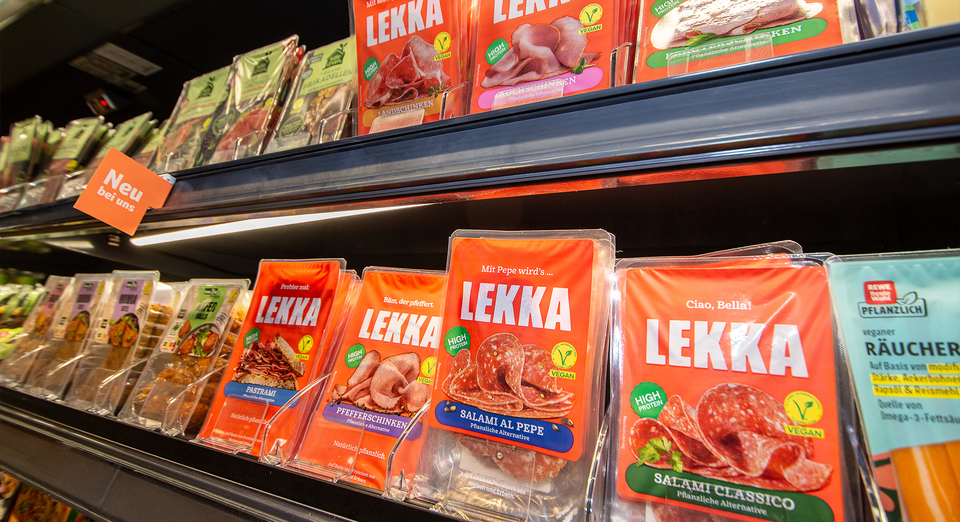
What do vegan cold cuts, sugar-free chocolate and mushrooms have in common? They demonstrate how innovative ideas are turned into everyday products. To mark World Vegan Day, we’re therefore taking a look at the REWE GROUP’s food-tech partnerships and how new food products find their way onto the shelves.
In this context, the REWE GROUP sees itself not merely as a retailer, but as a bridge between technology and the market. Whilst young start-ups develop new processes, the REWE GROUP contributes its expertise in the areas of consumers, product ranges and the food retail sector.
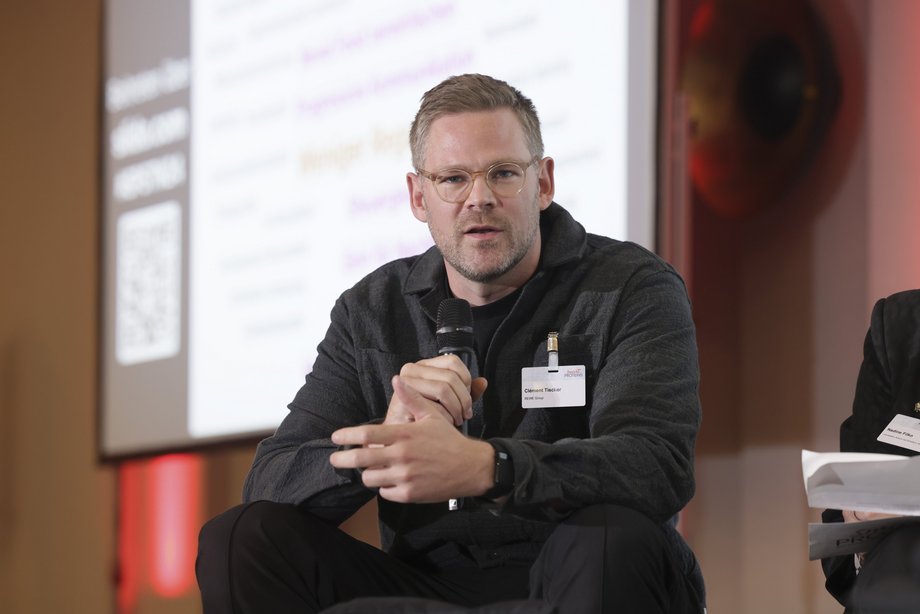
„A new technology only brings about change if it reaches a wide audience: in thousands of shops, at fair prices and with a delicious flavour.“Clément Tischer, Head of Food Tech at the RWE GROUP
The key factor here is that new products must not only be technologically impressive, but also offer people genuine added value.
A look at current dietary trends shows what matters most: health is becoming an increasingly important factor in purchasing decisions. There is demand for high-quality ingredients, more protein and fibre. At the same time, food must remain suitable for everyday use and taste good. Against this backdrop, the REWE GROUP is currently focusing its food innovations particularly on alternative and plant-based proteins, as well as reduced sugar content and mindful eating.
This is precisely where the protein strategy of REWE, PENNY Germany and BILLA comes in. It is based on the Planetary Health Diet and places greater emphasis on plant-based protein sources. The start-ups with which the REWE GROUP is collaborating demonstrate how this can lead to the development of new products for everyday use.
 © REWE GROUP
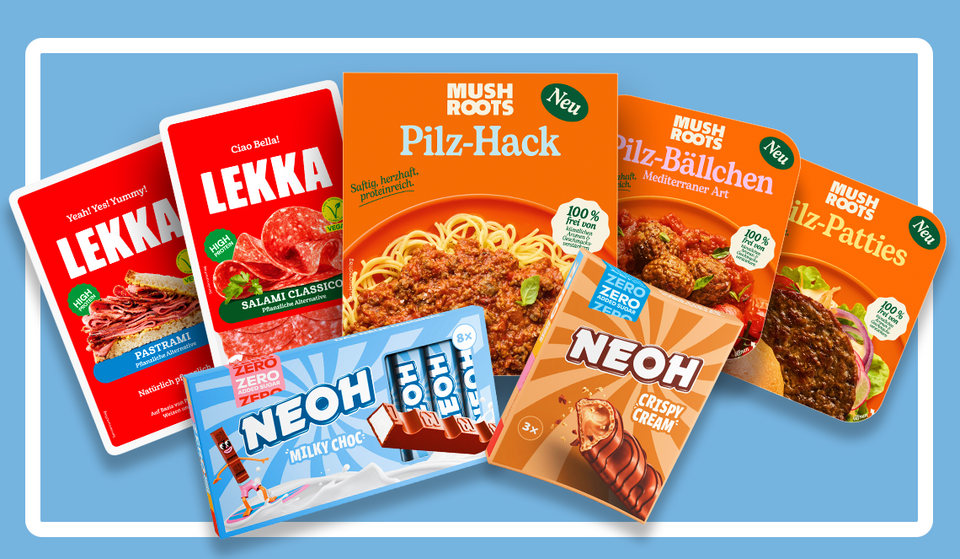
Project Eaden is focusing on alternative proteins with LEKKA and uses a fibre-spinning process to replicate the muscle structure of meat. The start-up NEOH has developed a sugar alternative with its ZERO+ formula, in which sugar is largely replaced by plant-based fibre. Infinite Roots, meanwhile, is developing new foods from mushrooms and fungal mycelium. Under the MushRoots brand, the company currently offers products based on edible mushrooms, including mince, patties and balls. At the same time, Infinite Roots is working on foods made from fermented fungal mycelium.
 © REWE GROUP / edited using AI
For the start-ups, the collaboration with the REWE GROUP is a deliberate choice. Manuel Zeller, founder and managing director of NEOH, explains that the company specifically sought out a partner committed to driving forward the cause of sugar reduction. Above all, the long-term perspective was important to him: “We wanted to work with a partner who would stick with us through any potential ups and downs.”
In addition to this stability, the partners value the REWE GROUP’s market expertise. What trends are driving consumer behaviour? What resonates with customers? This know-how helps the start-ups to further develop their innovations and successfully bring them to market.
The fact that this collaboration is working is also evident on the shelves: since the partnership began in 2025, LEKKA has established itself and expanded its range in 2026 to include three plant-based cold cuts. NEOH has launched two new products – Milky Choc and Crisp’n Cream White Zero – demonstrating that reduced-sugar confectionery is no longer a niche market.
 Clement Tischer, © Smart Proteins Summit
Development is also continuing at Infinite Roots: MushRoots – the mushroom-based mince, patties and balls – are currently being rolled out nationwide in stages. Another brand-new addition to the range is the mushroom block, which is initially being launched at REWE in the East region. This means the start-up’s range continues to grow. “Infinite Roots may still be in its infancy, but we see great potential in the mycelium approach,” confirms Clément Tischer.
These examples show just how varied the solutions for tomorrow’s diet can be. At the same time, they highlight how innovations find their way into everyday life: through strong ideas, the right partners and a shared willingness to break new ground.


