
More and more people are consciously opting for plant-based foods - whether for health reasons, out of consideration for animal welfare or out of responsibility towards the environment. REWE Group is not only responding to this change with a steadily growing plant-based range, but is also going one step further: BILLA is specifically revising existing recipes for its own brands to replace animal ingredients with plant-based ones.
What initially sounds complicated and technically challenging is actually relatively simple: many products only contain one animal-based ingredient such as milk powder, honey or egg, which can often be easily replaced with plant-based alternatives. This process prioritises enjoyment while improving the carbon footprint and making a plant-based diet more accessible to everyone.
A particularly successful example of this approach can be found at BILLA in Austria. Under the project title "One Ingredient", the own-brand range was systematically analysed to find out which animal ingredients can be easily replaced and where more complex technological solutions are necessary. The result: over 80 items from the conventional and organic segments were re-evaluated and some have already been successfully converted.
Plant-based sweet fillings - and without any loss of flavour
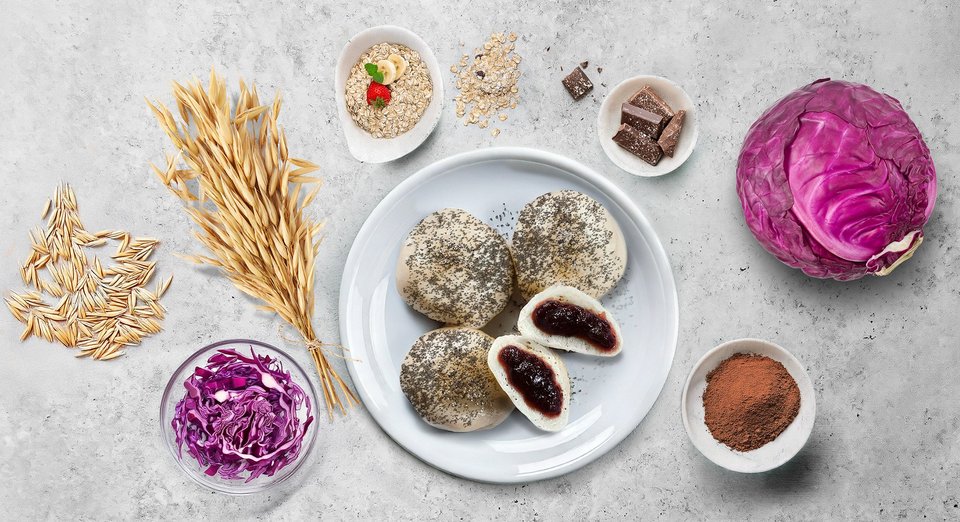
One example is the BILLA giant yeast dumpling, which is now completely plant-based thanks to the elimination of whole egg and whipped cream. The sweet fillings - such as poppy seed, walnut and hazelnut fillings - have also been made without chicken egg white and sweet whey powder, without any loss of flavour.
Kefir was also replaced with a plant-based alternative in the oat chocolate biscuits without changing the popular combination of wholemeal oat flakes and chocolate. Even with classic side dishes such as red cabbage, which previously contained lard, recipe changes will be implemented in a future edition so that a purely plant-based variant that includes all consumers will be available soon.
These processes are not carried out in isolation, but are firmly integrated into BILLAS' standard processes. For tenders, new product developments and recipe changes, project teams check whether a plant-based variant is possible and sensible. It is important - especially in the case of more complex changes - to contact suppliers at an early stage so that they can work on plant-based recipes themselves and offer them. But no matter what change is involved, the premises always remain the same: the flavour must be convincing, the cost-effectiveness must be right and the change must not be at the expense of customer satisfaction.
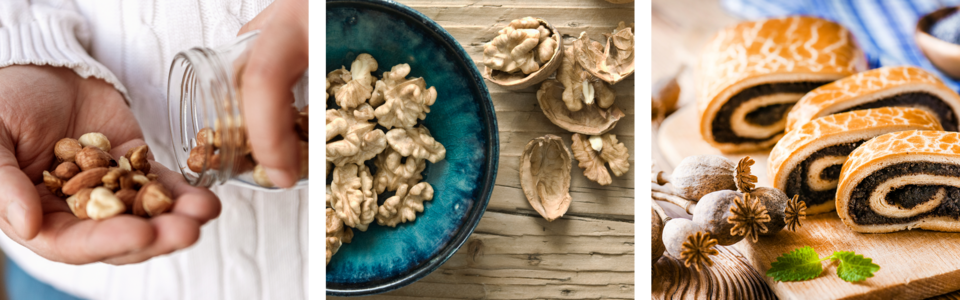 Even sweet fillings - such as poppy seed, walnut and hazelnut fillings - could be made without chicken egg white and sweet whey powder. getty Image | herstockart | Westend61 | Milan Krasula
The goal for Germany: By 2035, the proportion of plant-based products in the REWE and PENNY product ranges is to increase to a total of 60 per cent
The project impressively demonstrates how targeted recipe changes not only improve the carbon footprint, but also facilitate access to plant-based nutrition. The integration of plant-based alternatives into existing processes is a concrete contribution to the realisation of REWE Group's sustainability goals and supports the commitment to the Science Based Targets Initiative (SBTi).
As part of the protein strategy, which includes BILLA as well as REWE and PENNY, REWE Group is working specifically on diversifying its protein sources and continuously expanding the proportion of plant-based and alternative products - especially in its own-brand range. The goal for Germany: Our aim is to increase the proportion of plant-based products in REWE and PENNY's overall product range (excluding beverages) in Germany to 60 per cent by 2035.
With every successful changeover, plant-based nutrition becomes more suitable for everyday use - without compromising on flavour or quality. The result is a product range that not only appeals to a broader target group, but also actively contributes to shaping a more sustainable future.


