
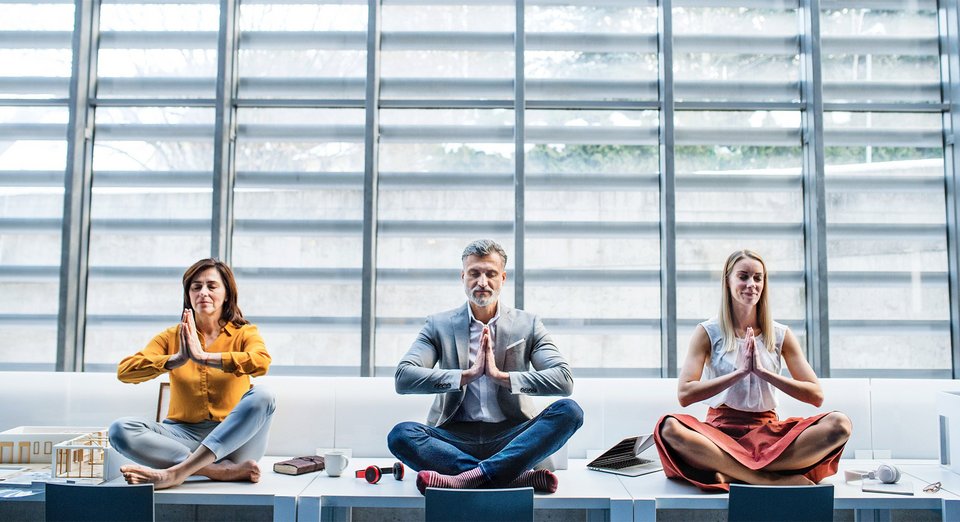
Pain is rarely caused by a single trigger. Working conditions, personal constitution, stress and the "inner bastard" often go hand in hand. That's why we need both good company health programmes and personal responsibility after work.
Tense shoulders in the office, a sore back in the warehouse or a headache at the checkout: pain is part of everyday life for many working people and is no longer the exception, but the rule. Around a fifth of days of incapacity for work in Germany are due to musculoskeletal disorders, and the proportion increases with the age of employees. Slipped discs, joint wear and tear or neck pain impair performance, concentration and resilience - reason enough for employers such as REWE Group to try to support their employees and invest in preventative measures and work equipment.
Different complaints occur more frequently depending on the workplace:in the supermarket, long periods of standing, frequent bending or one-sided movements often lead to back and joint problems. In logistics, heavy lifting, carrying and physically intensive activities that place particular strain on the shoulders, lower back and joints are also common.the office workplace can also be a strain: hours of sitting, rigid screen postures and a lack of movement promote neck tension, shoulder problems and tension headaches.if stress and pressure to perform are added to this, complaints are inevitable.
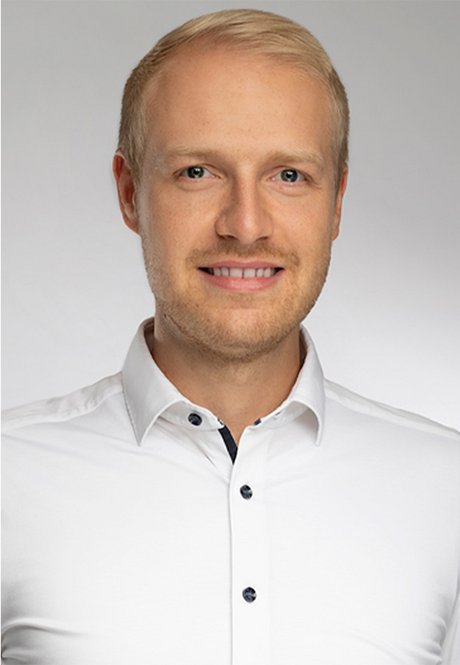 Kevin Fritscher Head of HR Services Occupational health and safety | Photo ©: Kevin Fritscher
The Occupational Health and Safety department exists to identify and minimise risks in the workplace. FASis - trained occupational safety specialists from this department who are qualified by the employers' liability insurance association - regularly visit the workplaces in administration, logistics and the stores and discuss the various needs with colleagues and senior managers. Occupational physicians are also involved toensureholistic support
Kevin Fritscher Head of HR Services Occupational health and safety | Photo ©: Kevin Fritscher
The Occupational Health and Safety department exists to identify and minimise risks in the workplace. FASis - trained occupational safety specialists from this department who are qualified by the employers' liability insurance association - regularly visit the workplaces in administration, logistics and the stores and discuss the various needs with colleagues and senior managers. Occupational physicians are also involved toensureholistic support
„Many complaints are not caused by major mistakes, but by unhealthy habits in everyday life“ Kevin Fritscher
Kevin Fritscher is Head of HR Services Occupational Health and Safety and knows: "Many complaints are not caused by major mistakes, but by unhealthy habits in everyday life.occupational health and safety must be actively practised." Preventative measures include, for example, ergonomically designed office workstations, the use of aids such as hand pallet trucks and ensuring that loads are carried close to the body.

Personal responsibility after work
Staying healthy is not just a matter for the employer, but also always a personal responsibility, and many complaints can be prevented or at least significantly reduced.constant stress can also lead to tension. That's why mental relaxation, breaks, balance and moments of joie de vivre are just as much a part of preventive healthcare as sufficient, regular exercise, conscious nutrition and ergonomics.
Smartphone makes the head heavy
Looking at a smartphone significantly increases the strain on the cervical spine: Model calculations show that it can mathematically increase to many times the actual weight of the head if the head is tilted sharply. Anyone who uses their smartphone in this position for a long time and frequently is at an increased risk of neck problems.
What happens when you are in pain
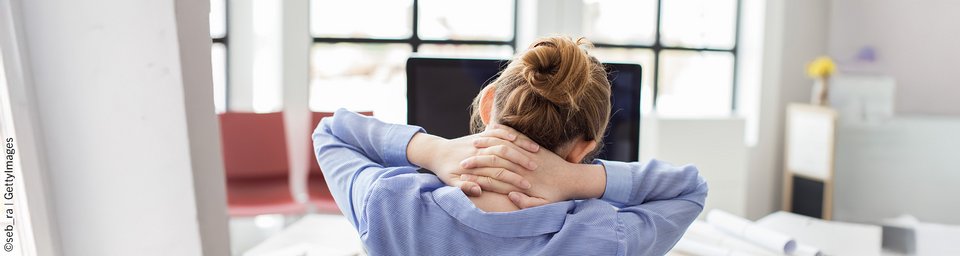
Pain is a biological warning signal from the body. It occurs when specialised nerve cells (nociceptors) react to mechanical, thermal or chemical stimuli - such as injuries or inflammation. These signals are transmitted via nerve tracts to the spinal cord and on to the brain. Only there is pain consciously perceived and individually assessed. This explains why two people can experience the same pain in completely different ways.
Not all pain is the same
Pain is roughly divided into three categories:
Progression: Acute pain comes on suddenly and usually has a clear cause, such as an injury. Chronic pain lasts longer and can take on a life of its own.
Severity: Pain is usually described as mild, moderate or severe.
Type: Pain feels different - for example dull, burning, pulling or pulsating, depending on which structures in the body are affected.
What influences pain
Pain is caused by a combination ofphysical, psychological and social factors.
Physical:incorrect posture, heavy strain, injuries
Psychological:stress, anxiety, tension
Social:difficulties in the (working) environment, pressure to perform, excessive demands
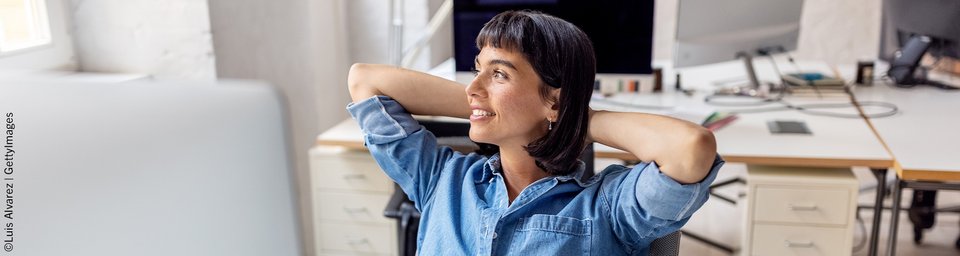
Small exercises and short breaks provide immediate help in everyday working life
- Micro-breaks during sedentary activities: just a few minutes of movement per hour help to reduce tension and promote blood circulation (circling the shoulders, stretching)
- consciously change your posture
- correct lifting and carrying of heavy loads
- sufficient exercise after work
- sufficient sleep and regeneration
- conscious use of smartphone and screen time
A DAK video provides suggestions for short fitness breaks, including exercises to do in between: FitnessPause


