
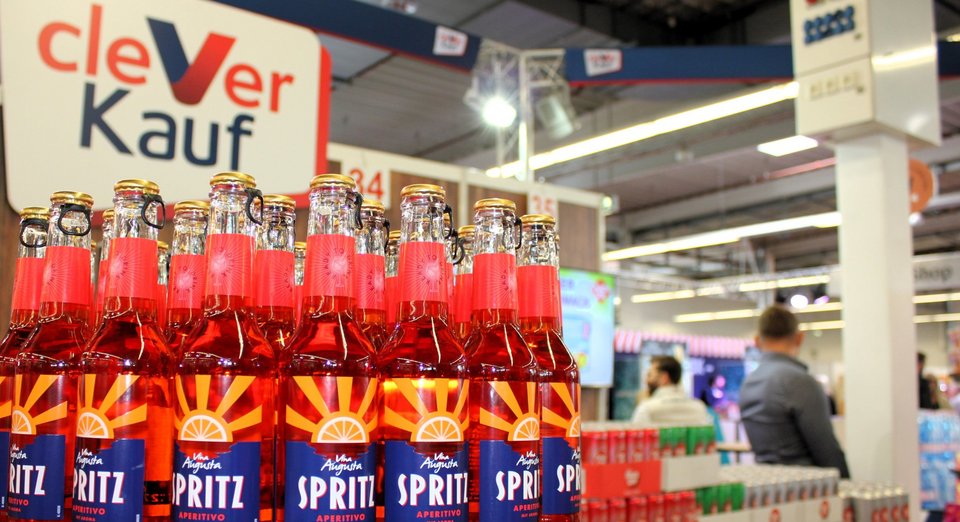
In the out-of-home market, private labels have long been more than just a cheaper copy of well-known manufacturer brands. Lukas Ziegler, Director Buying & Category Management Own Brands & Newcomers at Lekkerland, knows what is important in the development, design and marketing of own brands in this special market. In this interview, he provides insights into the role and development of own brands in the out-of-home sector.
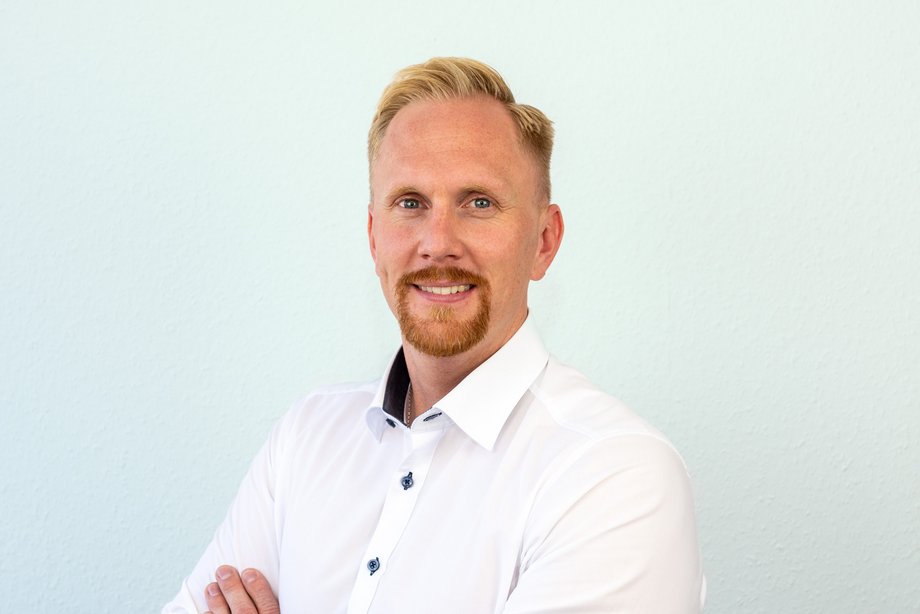 Lukas Ziegler
one: Lukas, we all know REWE store brands such as REWE Beste Wahl, ja! and REWE Feine Welt. How do convenience own brands differ from traditional private labels?
Lukas Ziegler
one: Lukas, we all know REWE store brands such as REWE Beste Wahl, ja! and REWE Feine Welt. How do convenience own brands differ from traditional private labels?
Lukas Ziegler : Convenience own brands often cannot advertise with a strong umbrella brand, as is the case in the food retail sector. This makes it all the more important for our own-brand products to appeal to and convince customers visually at first glance.
The most important thing is the right product selection, tailored to the habits of the consumer. In addition to the right product type, i.e. focussing on impulse product groups, the right pack size and the right pack price are crucial to success. The products must be suitable for immediate consumption and at the same time have compact, high-impulse packaging - ideally resealable. The unique selling points of the product and the category to which it belongs must be clearly displayed at first glance so that the potential customer can immediately recognise the product.
In addition, the size of the tray must meet the requirements of the channel for easy handling. Compared to the traditional food retail sector, we work with smaller, more manageable trays with fewer units.
one: For many consumers, the classic REWE store brands have become an attractive alternative to branded products. What relevance do private labels have in the out-of-home sector?
Lukas Ziegler : Own brands in the out-of-home sector make a significant contribution to improving price perception and innovative strength in our channels. For operators of petrol stations, kiosks or travel retail spaces, i.e. retail spaces located in travel environments such as airports or train stations, they represent a central element for managing consumer-oriented product ranges vis-à-vis the end customer. Own brands create trust through convincing quality, support the retailer's brand world and help to act more independently of price trends for manufacturer brands. According to the market research institute YouGov, the market share of private labels was 46.7% in the first half of 2025, and the trend continues to rise - primarily because consumers are increasingly favouring private labels in their consumption habits. At the same time, they are a strategic lever for us to raise our profile and achieve targeted differentiation in our business relationships as Lekkerland.
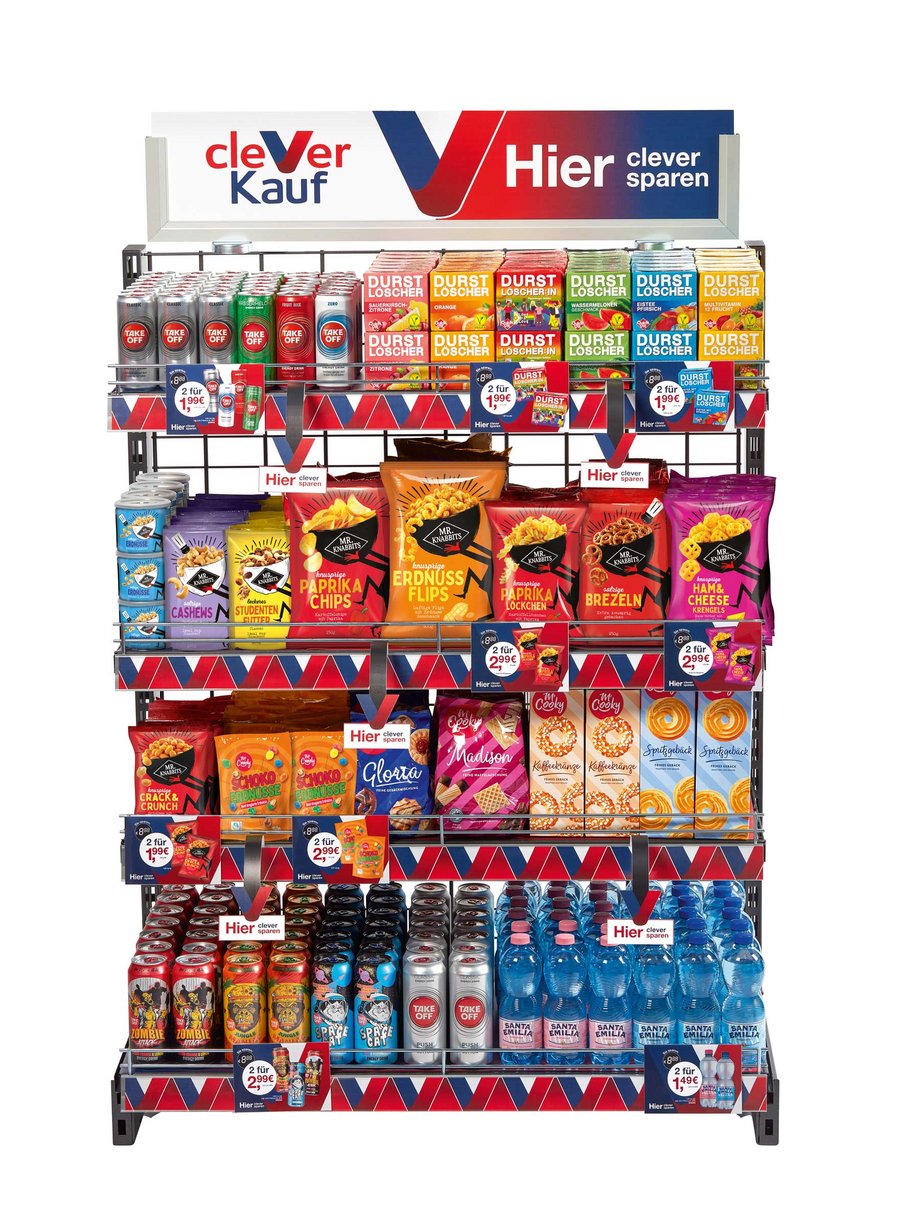 Lekkerland's own-brand world comprises almost 400 articles. Picture: Lekkerland
one: Is this trend also reflected in the demand for private labels?
Lekkerland's own-brand world comprises almost 400 articles. Picture: Lekkerland
one: Is this trend also reflected in the demand for private labels?
Lukas Ziegler: Not leastas a result of inflation, the rising cost of living and price sensitivity, the trend towards own brands is stronger than ever. However, consumers are also buying them out of conviction - not just for financial reasons, but because the image of private labels has changed massively: away from "cheap products" and towards modern, high-quality alternatives with added value. As Lekkerland, we are also successfully catering to this perception and the sharp rise in demand from end consumers and our B2B customers.
one: What does Lekkerland's own-brand world look like?
Lukas Ziegler: Our range currently comprises almost 400 articles - from frozen baked rolls to chewing gum. The articles are divided into 30 own-brand categories, each with individual brand positioning, including well-known own brands such as QuickVit (thirst quenchers), Zarewitsch (spirits - vodka), Take Off (energy drinks), Mr.Knabbits (savoury snacks), M'Candy (confectionery) and Go Fresh (fresh sandwiches & wraps).
The individual products have been specially developed for on-the-go consumption: high-pulse, high quality and visually striking. In addition, they are always adapted to the requirements of on-the-go consumption in terms of (container) size and handling.
one:What are consumers' requirements for private labels in the out-of-home sector? Are there any aspects that are particularly important here?
Lukas Ziegler : Consumers today are very conscious of getting good quality at an attractive price. The price-performance ratio is therefore still absolutely crucial.
Another point that is often underestimated is the packaging. The design plays a major role, as it directly influences the purchase decision at the point of sale. What is also becoming increasingly important is the desire for effortless consumption. Many people want products that they can eat straight away - simply uncomplicated.
Last but not least, we are also seeing a growing awareness of Sustainability. For example, it's about recyclable packaging or products with healthier ingredients. That shows: Demands are rising and companies today have to offer much more than just favourable prices.
one: What developments can we expect for private labels in the out-of-home market? What trends will characterise the product landscape in the coming years?
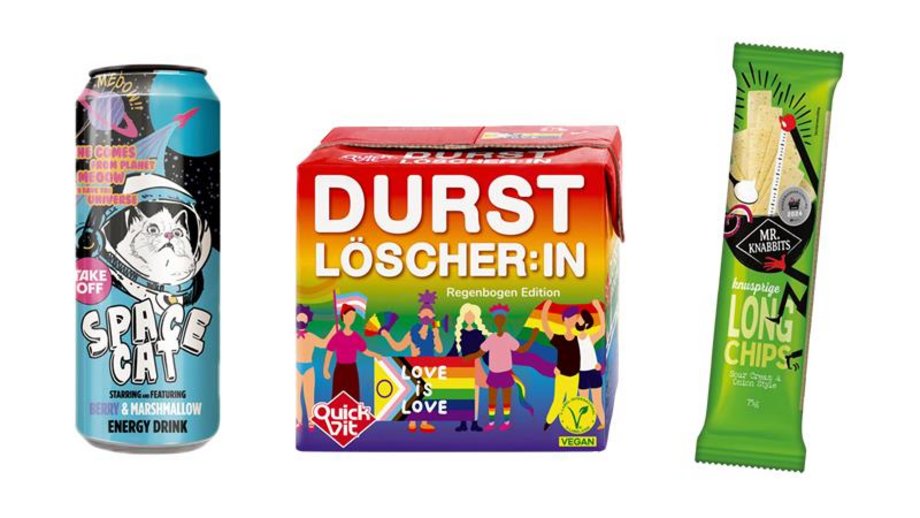 Three popular Lekkerland own-brand products: Take Off Creatures Space Cat, Thirst Quencher:in Rainbow Edition and Mr Knabbits Long Chips Sour Cream & Onion Style. Picture: Lekkerland
Lukas Ziegler: We have been observing for some time that Sustainability is becoming an increasingly importantfactor . This means that packaging and ingredients should increasingly be designed to be environmentally friendly - and, above all, communicated honestly. People don't expect perfection, but they do want credibility.
Three popular Lekkerland own-brand products: Take Off Creatures Space Cat, Thirst Quencher:in Rainbow Edition and Mr Knabbits Long Chips Sour Cream & Onion Style. Picture: Lekkerland
Lukas Ziegler: We have been observing for some time that Sustainability is becoming an increasingly importantfactor . This means that packaging and ingredients should increasingly be designed to be environmentally friendly - and, above all, communicated honestly. People don't expect perfection, but they do want credibility.
The topic of innovation is also becoming increasingly important. New flavours and special formats - for example high-protein, sugar-free or vegan - are in high demand, especially among younger target groups. At the same time, the demand for higher quality products is growing, especially in the fresh convenience segment. It's no longer just about "grabbing a quick bite", but often about a real "fresh" experience. Private labels are also focussing on good quality, exciting storytelling and real added value in the product. Despite tight budgets, this "treat yourself" mentality is definitely an opportunity for growth.
And last but not least: The digital connection at the point of sale. QR codes, competitions, avatars and social media extensions, as with our TakeOff Energy Drink range - all of this creates relevance, especially for digitally savvy target groups. It's the overall experience that counts here - not just the product itself."


