
Slow travel and solo travel are increasingly shaping travel behaviour in Europe. This is highlighted in the third instalment of the DERTOUR Group’s European Travel Trend Report, which examines how people want to travel today. The report is based on a survey of 8,000 travellers in 13 European countries, as well as booking data from the DERTOUR Group across 16 European source markets.
The third part of the trend study, “Beyond the Bucket List”, highlights a significant shift in European travel behaviour: more and more people are seeking holiday options that allow them to slow down, create space for meaningful experiences and meet their personal needs. At the same time, the German findings show that some of these trends are particularly evident here: for example, the desire to slow down, digital detoxes and an interest in solo travel.

„Travelling has always been about discovering new things. Today, however, travellers place greater value than ever on experiences that mean something to them and leave a lasting impression.“Christoph Debus, CEO of the DERTOUR Group
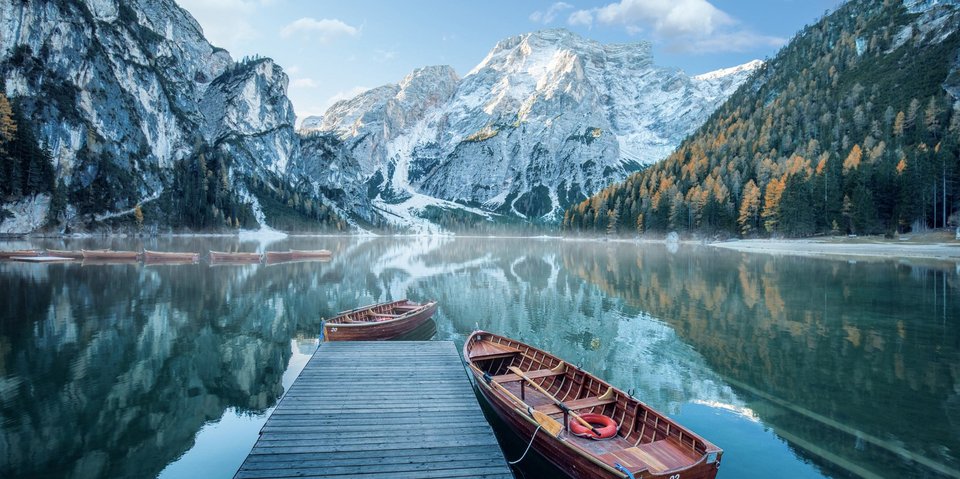
One of the key findings is the growing importance of slow travel, a slower and more mindful way of travelling. Among the 53.2 per cent of respondents in Europe who are interested in this form of travel, the main motivation is the desire to experience a destination mindfully and without time pressure. 58.5 per cent say this gives them more time to truly enjoy a place. A further 52 per cent associate slower travel with personal well-being and reduced stress. In Germany, too, the desire to slow down is particularly evident: almost 68 per cent of German respondents say they want to travel more slowly and switch off whilst on holiday.
For 22.9 per cent in each case, the focus is on deeper encounters with local people and cultures, or the opportunity to save money by travelling at a less hectic pace. In Germany, this cost aspect plays a slightly greater role, particularly amongst 45- to 55-year-olds: just under 28 per cent of this age group also see slow travel as a way to save on holiday expenses.
The report also highlights the emergence of a growing group of so-called JOMO travellers (short for ‘Joy of Missing Out’). Rather than ticking off as many sights and activities as possible in a short space of time, they consciously opt for fewer, but more intense and personal, experiences.
This attitude is also reflected in the desire for a digital break. Almost half of travellers in Europe (48.9 per cent) see holidays as an opportunity to take a break from social media and digital distractions. This desire is particularly pronounced among millennials: more than half of 25- to 44-year-olds see travel as a chance to consciously switch off and recharge their batteries.
In Germany, this desire is particularly evident amongst 35- to 44-year-olds: more than 53 per cent of this age group see holidays as an opportunity for a digital break.

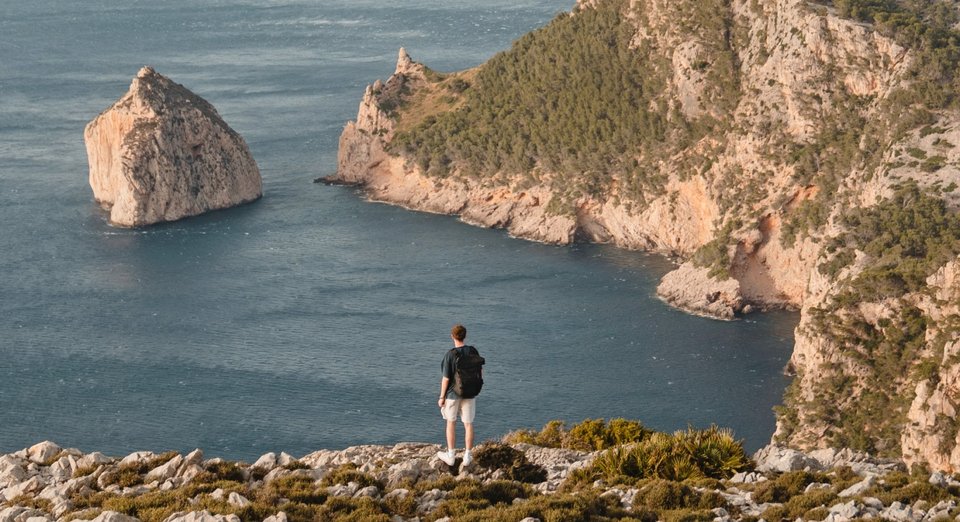
As well as seeking a connection with nature and local cultures, more and more people are also looking for time to themselves when travelling. Solo travel is increasingly seen as a way of focusing on one’s own interests and gaining new experiences independently of others.
Whilst family holidays remain the most popular form of travel among Europeans at 65.6 per cent, almost a third of travellers can envisage travelling alone within the next twelve months. Interest is particularly high amongst singles (37.6 per cent), but is by no means limited to this group: around a quarter of travellers in a committed relationship or who are married are also considering a solo trip.
This trend is particularly relevant to the German market: Germany tops Europe’s ranking of markets most keen on solo travel, at 36.1 per cent. It is followed by Sweden (35.0 per cent), France (32.2 per cent), the UK (29.8 per cent) and Poland (28.9 per cent). This means that solo travel is not only a key future trend in Europe, but also a particularly pronounced trend in the DERTOUR Group’s home market.
The full study results are available for download here .
The findings of the report reflect customer needs that are already shaping many of our products and offerings today. In response to the growing demand for more relaxed and mindful travel experiences, several of our brands are introducing concepts that offer travellers greater flexibility, freedom and time to explore their destination. Examples from the report include the ‘Go with the Flow’ concept from Meiers Weltreisen, the ‘Blue Journeys’ from I.D. Riva Tours along the Croatian coast, and the ‘Slow Glamour’ concept from ananea.
The trend towards solo travel is also opening up new opportunities – particularly with regard to Germany. The DERTOUR tour operators are continuing to expand their range of options for solo travellers: from exclusive round-trip and adventure tours for solo travellers to solo-friendly round-trip tours with reduced single room supplements or the option to share a double room.
Furthermore, a look at international specialists shows just how dynamically this target group is developing. At the British DERTOUR Group brand Jules Verne, solo travellers now account for 51 per cent of all bookings for small-group tours in 2027, compared with 48 per cent for tours in 2026. For this target group, the brand has developed a Solo Travel Guide, which brings together practical tips, expert knowledge and personal testimonials.


