
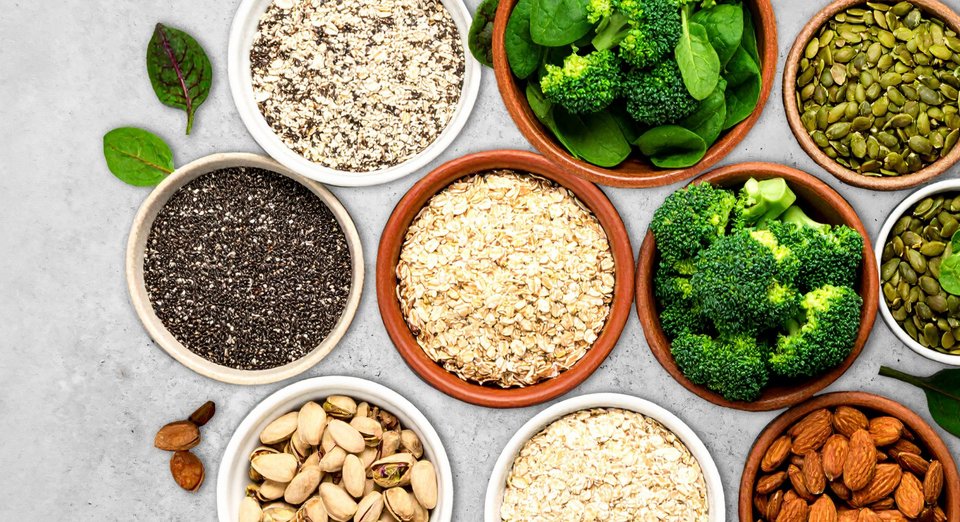
Some persistent myths surround the topic of plant-based protein sources. For example, the belief that protein supply is critical in a plant-based diet because animal products are considered important sources of protein. But how much truth is there behind this?
Animal proteins are indeed utilised more effectively due to their similar composition to the body's own protein. They contain all the essential protein building blocks, the amino acids, which is why they are often referred to as "whole proteins".
However, this in no way means that plant-based proteins are inferior - on the contrary. A balanced plant-based diet can easily cover amino acid requirements by combining a wide variety of protein sources and thus provide the body with all the valuable proteins it needs.
Proteins consist of amino acids that fulfil a variety of functions in the human body. For example, they play a key role in supporting muscle development, supporting the immune system and helping to maintain bone mass. There are a total of 20 different amino acids in the human body, eight of which - and even nine in infants - cannot be produced by the body itself. These are classed as essential and must be obtained from food.
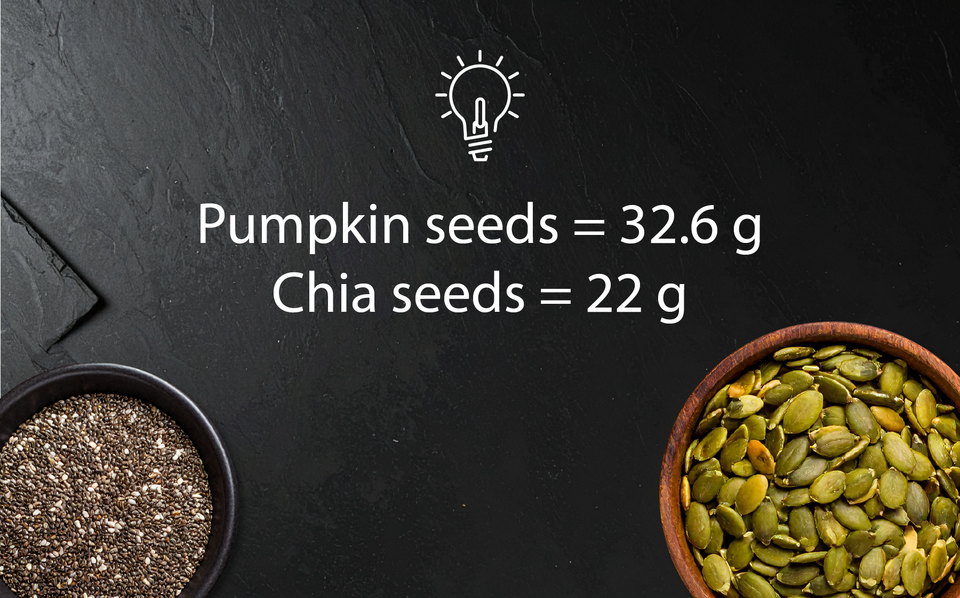
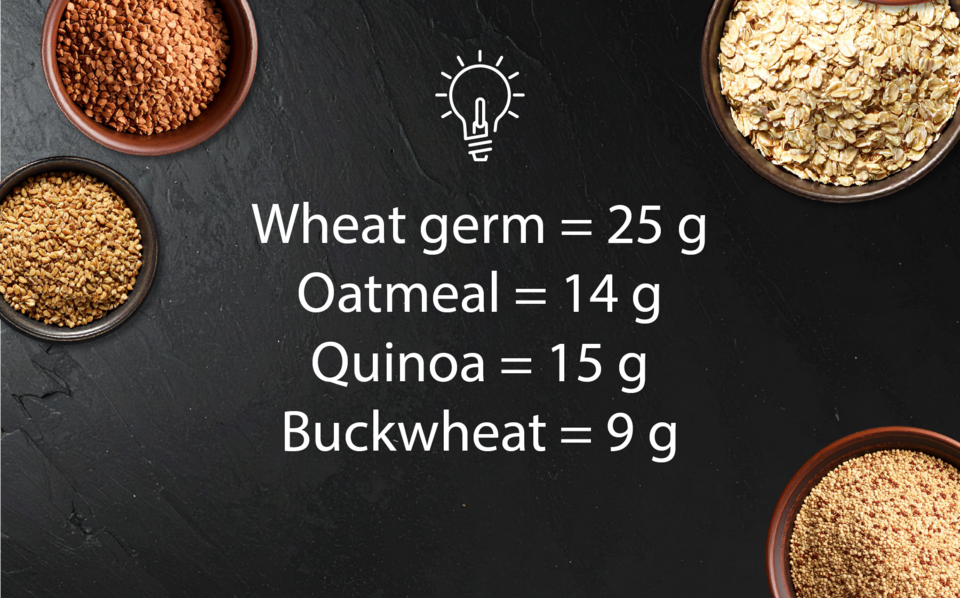
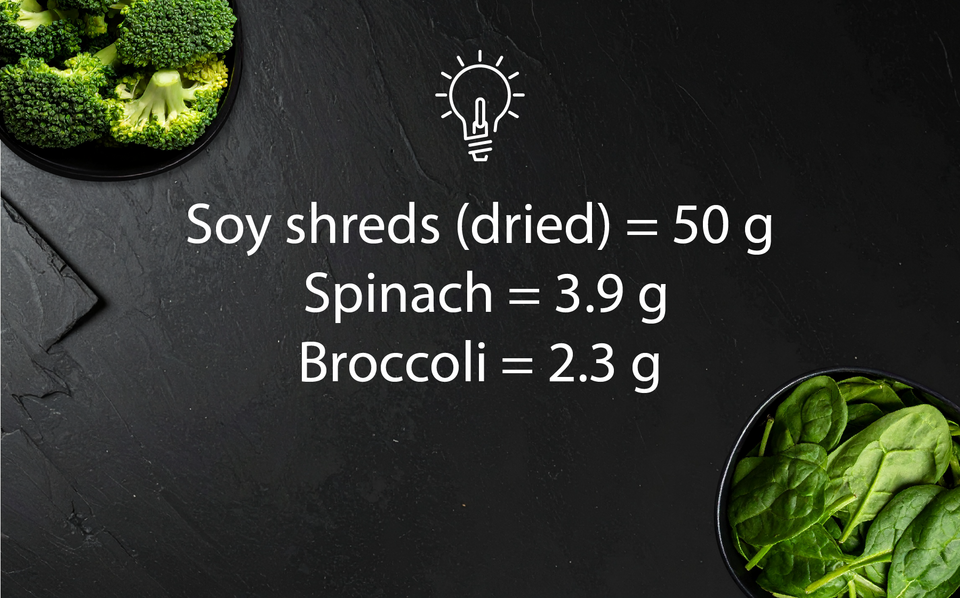
What many people don't realise: Plant-based foods sometimes contain even more protein than animal sources and can provide an excellent protein supply if selected and combined carefully, for example from pulses and wholemeal cereals.
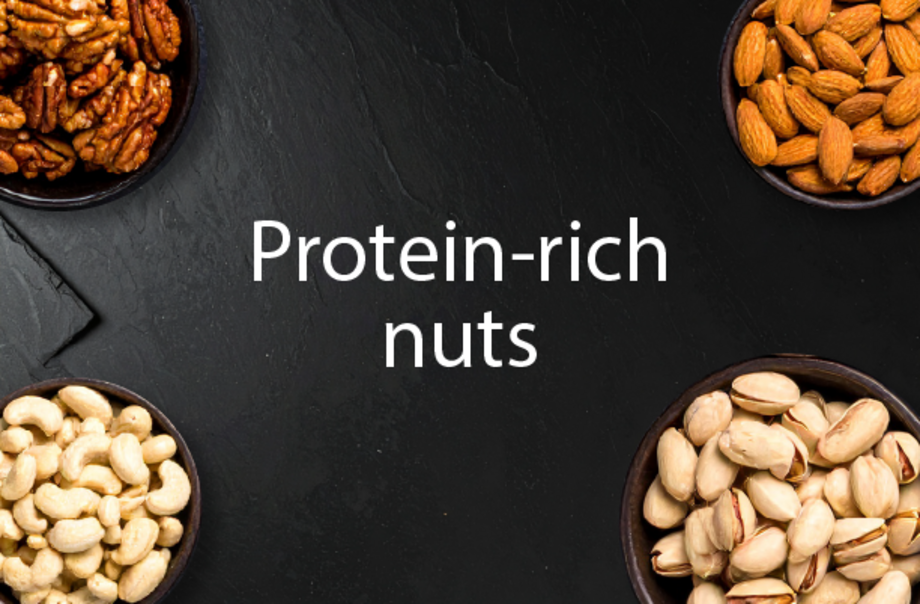
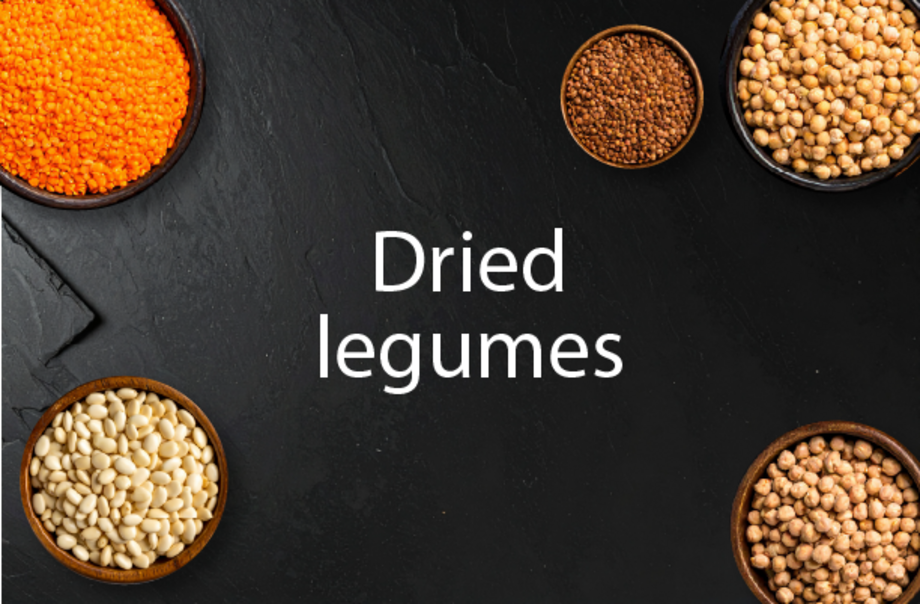
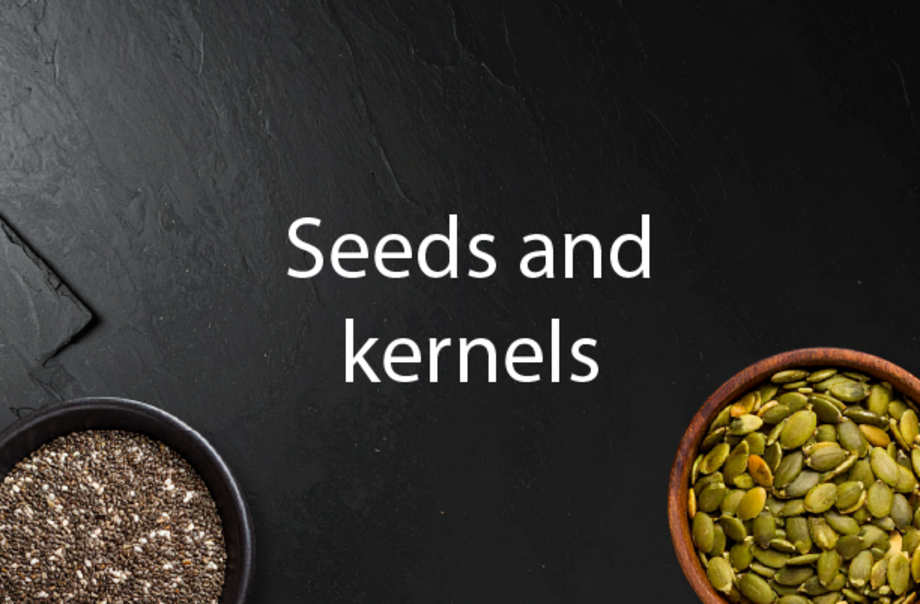
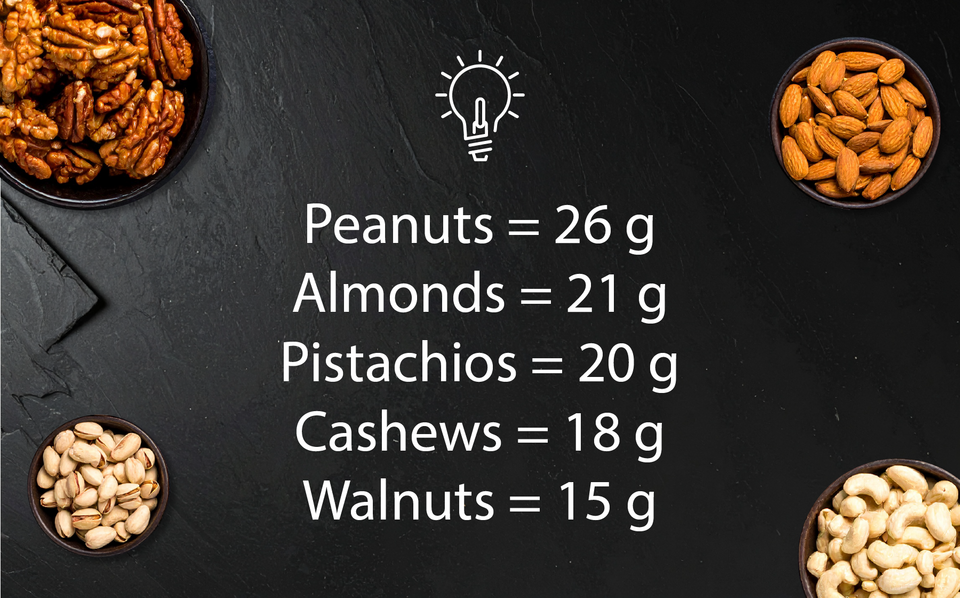
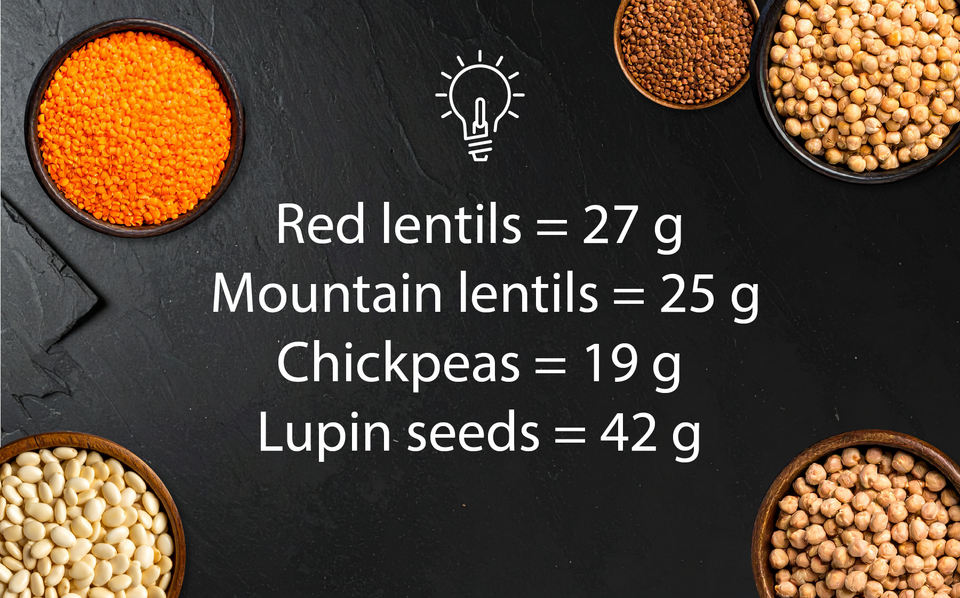
What is the protein content* (per 100 grams) of these plant-based foods?
But how much protein does a person need per day? According to the German Nutrition Society (DGE), the daily requirement of a healthy adult under the age of 65 is around 0.8 grams of protein per kilogramme of body weight. This recommendation also applies to people who like to exercise in their free time.
In special phases of life, such as pregnancy, breastfeeding or old age, the need for protein is somewhat higher: pregnant women should consume 0.9 grams per kilogram of body weight in the second trimester, 1.0 gram in the third trimester and 1.2 grams per kilogram of body weight if breastfeeding. A value of 1.0 gram is recommended for people over 65.
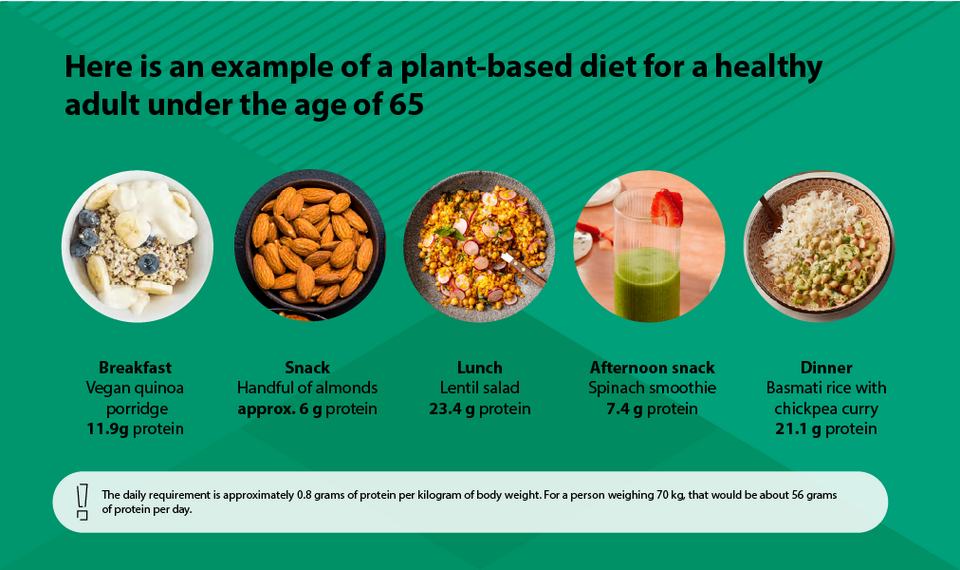
The menu provides almost 70 grams of protein, depending on the size of the portions and other ingredients. The protein requirement can be adjusted according to individual body weight. It is important to vary the meals.


Both German and English comments appear here.
Hallo,
mal wieder ein sehr guter Bericht :-) Gibt es die Möglichkeit den von euch als Datei zu bekommen, das wir das im Seminar "Fit bei REWE" bei unseren Azubis nutzen können?
Liebe Grüße
Meike Günther
HR-KC REWE Mitte